Why You Stop Drinking Protein, and How to Stay With It
You started drinking protein, and now you realize you haven’t touched it in weeks. This is one of the most common patterns in supplements.
Among fitness supplements, protein has an unusually high barrier to habit formation. You drink it once or twice a day, at specific times, with real prep effort each time. If you don’t actively build “the protein step” into your daily routine, it quietly disappears.
Below the five most common reasons people quit, and what to do about each. Skip to whichever one sounds like you.
Why Protein Habits Break
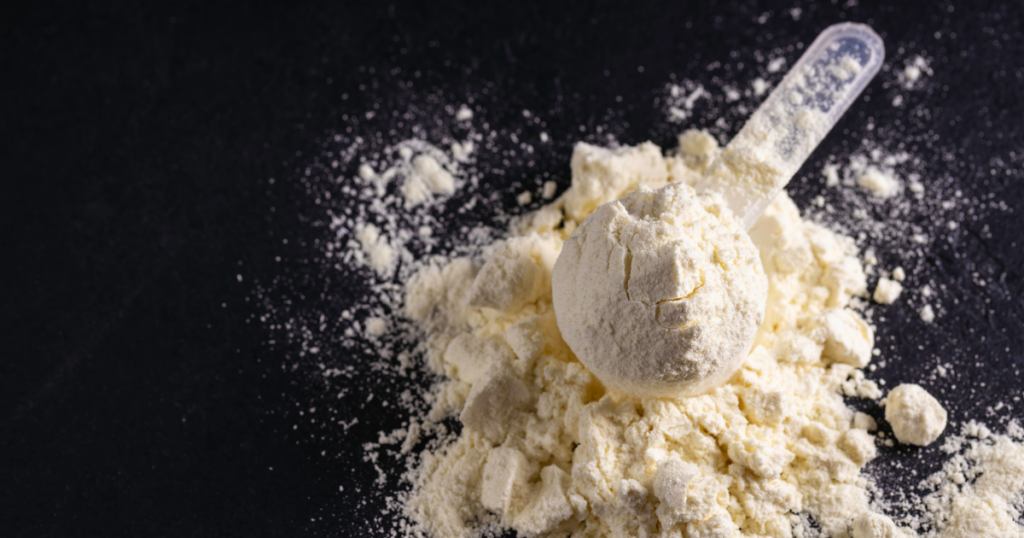
The reasons usually fall into five buckets.
- The taste doesn’t work, or you get tired of it
- Measuring, washing up, and other prep effort
- Results don’t show up
- You miss the window to drink it
- It feels too expensive for the results
Prep and timing get dramatically easier once you sort out your daily routine. Taste and results depend more on product choice and how long you’ve been at it. The fixes are different, so the first step is figuring out where you’re actually getting stuck.
When Taste Is the Problem
Taste matters more than people expect. Telling yourself ‘it’s good for me’ isn’t enough to keep drinking something unpleasant every day.
Switch flavors early
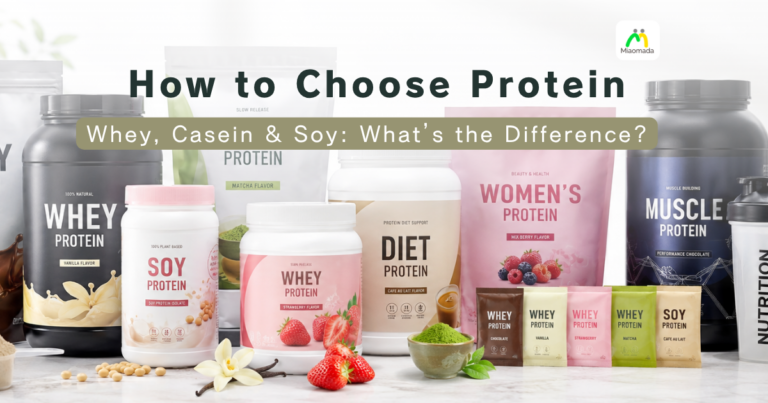
Between mainstream and specialty brands, there are dozens of flavor options. If the first one you bought doesn’t work, a different product usually solves it. Don’t conclude “I hate protein” before you’ve tried another one.
Change the mix
Mixing with water is the default, but if that’s not landing for you:
- Mix with milk or soy milk, the flavor shifts significantly, and it feels more substantial.
- Stir into oatmeal, folds into breakfast naturally.
- Stir into yogurt, adds texture along with intake.
Drop the assumption that protein has to be “drunk”. Treating it as something you mix into food opens up more ways to keep at it.
When Prep Effort Is the Problem
The factor that breaks habits even more than taste, in practice, is prep effort.
Break down the morning steps
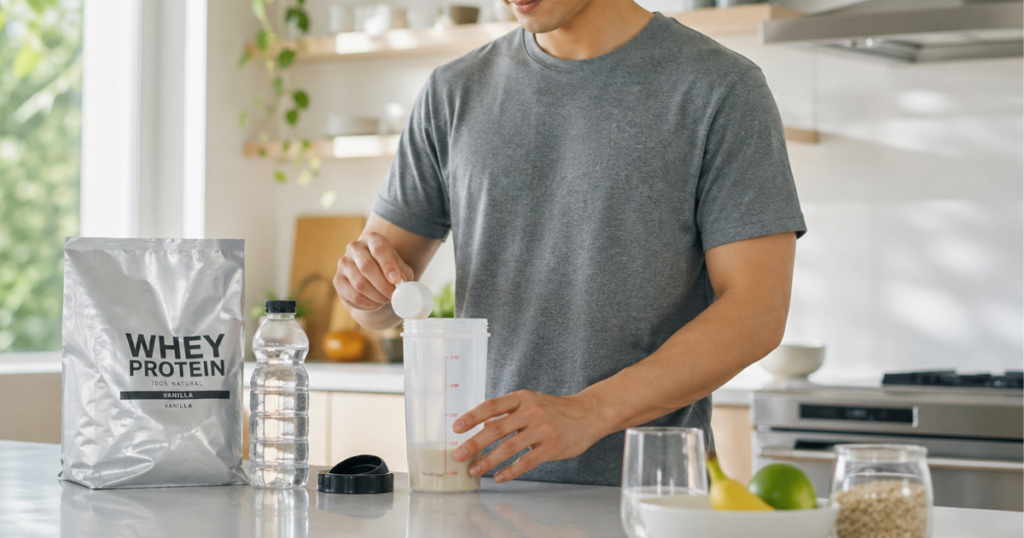
Taking one serving of protein with a scoop goes something like this:
- Grab the protein bag or tub
- Open the zip or lid
- Find the scoop
- Level off a measured amount
- Scoop it into the shaker (some spills)
- Reseal the bag or tub
- Add water to the shaker
- Shake
- Drink
- Wash the shaker
Ten steps. At ten seconds per step, that’s a minute and forty seconds. Every morning.
Just two minutes. But on a busy morning, those two minutes are often the difference between sticking with the habit and not.
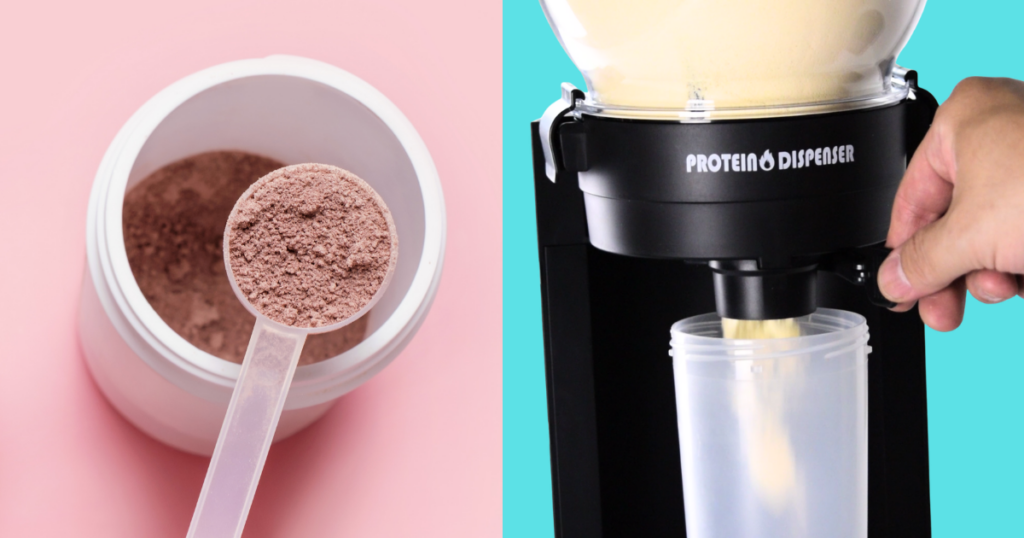
Three ways to cut prep time
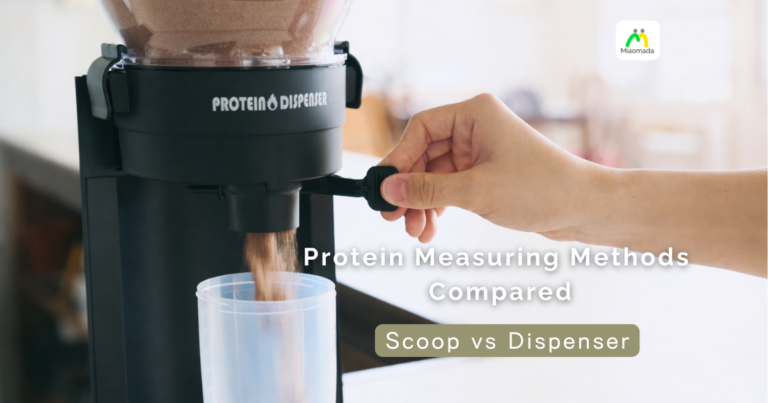
- Automate the measuring step, a dispenser-type measuring tool brings it down to about 5 seconds.
- Keep two shakers, deal with today’s washing-up tomorrow.
- Don’t pre-mix powder and water the night before, as it can cause hygiene issues.
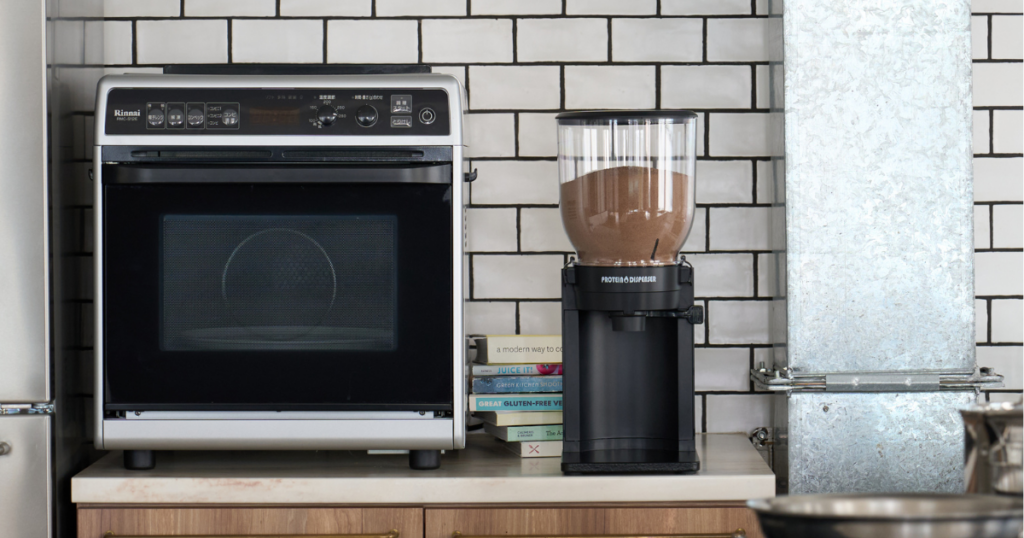
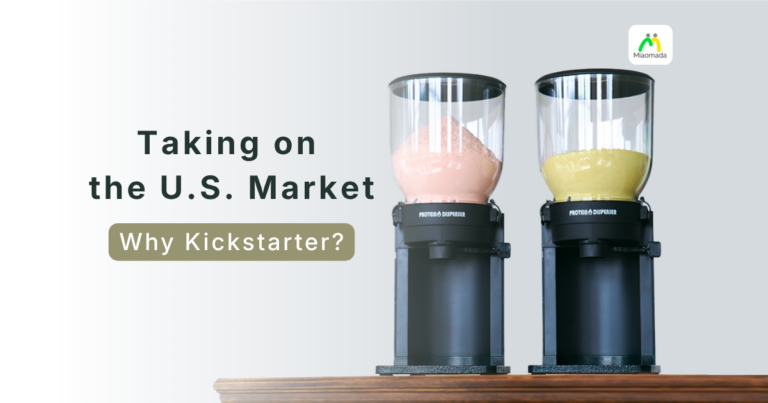
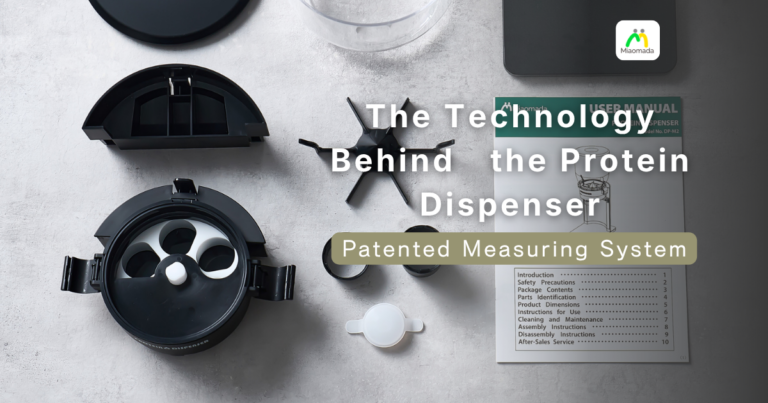
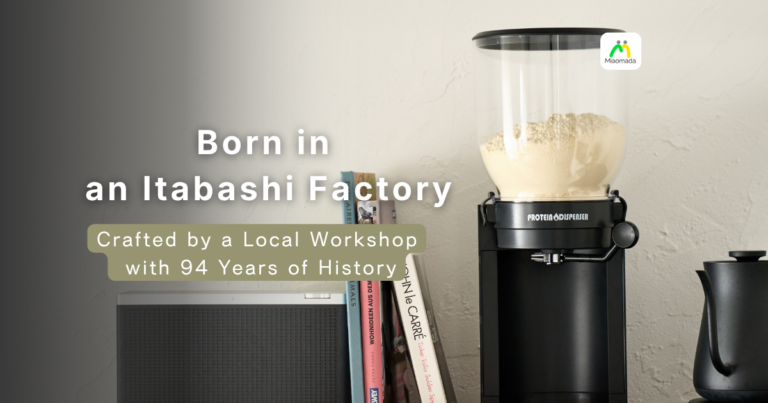
The biggest lever is the first one. A protein dispenser handles storage and measuring in one unit; pull a lever, and a consistent amount of powder comes out. Ten steps collapse to two or three.
For the comparison in detail, see Scoop vs Dispenser: How Protein Measuring Actually Differs.
When Results Aren’t Showing Up
Around week three or four, doubt starts creeping in, “I’ve been at this for a month and nothing’s changed.”
Here’s the thing: when you’re drinking protein but not seeing results, the protein itself usually isn’t the issue.
Most people drink protein to build muscle. If that’s not happening, it’s almost always one of these three reasons:
- Basic nutrition, total calories or total protein intake aren’t high enough to begin with.
- Training volume, the load isn’t high enough to drive muscle growth.
- Recovery (sleep), muscle is built during recovery; with insufficient sleep, repair doesn’t happen.
Protein is a supplement, not a foundation. With nutrition, training, and recovery still off, adding more protein won’t fix anything. When you feel “I’m drinking it and nothing’s changing,” start by looking at those three first.
Even so, keep records
Weight, body fat percentage, body photos: log once a week. You won’t see change week to week, but at three months you’ll see something. Accept “today looks the same as yesterday,” and keep tracking anyway.
Shifting from “feeling the change” to “checking the data” makes the habit easier to maintain. You’re not relying on subjective feedback anymore.
When Timing Is the Problem
“I meant to drink it but forgot”. Once that happens a few times, the habit quietly stops.
My recommendation: one hour before training
The common advice is “drink within 30 minutes after training” (the so-called anabolic window). Personally, I think drinking it an hour before training is better. The reason, it helps prevent catabolism. During training, if your blood amino acid levels are low, your body breaks down muscle to fuel itself. Drinking protein beforehand prevents that.
Practically, if you head straight from work to the gym, one hour before isn’t realistic. That’s me too. In that case, drink it after. Drinking it beats not drinking it. That’s the practical version of the rule.
Anchor it to an existing behavior
Before or after, it doesn’t matter. Anchor it to something specific. “When I set down my gym bag.” “Before I start stretching.” Same principle as brushing your teeth or making coffee: tack the new habit onto something you already do daily, and it stops being a separate decision.
Keep it visible
Put the shaker or dispenser somewhere you’ll see it in the kitchen. Out of sight, out of mind. If it lives in a cabinet or the fridge, you will forget.
When Cost Is the Problem
Protein powder typically runs about US$20–35 per month, with cheaper options if you go with budget brands.
When the cost feels disproportionate to the results, run the math on three months of use: what does it work out to per day? Around 70 cents, less than a single cup of coffee. Once you realize it costs less per day than a cup of coffee, the mental resistance drops.
If the alternative is buying the cheapest option and quitting because of the taste, spending a bit more on something you’ll actually drink comes out cheaper in the end.
If You’re Still Struggling to Stick With It
You don’t have to be perfect about it every day. Three days out of seven is still much better than zero.
The belief that “if I’m not drinking it every day, it doesn’t count” is often what causes people to drop the habit entirely. Three or four days a week is enough to function as a base layer for fitness and health.
Until drinking protein feels automatic, lowering the bar and continuing matters even more than perfection.
If “Prep Effort” Is Your Reason, This Is the Lever to Pull
For most people, the bottleneck on daily protein is the measuring and the washing-up. Removing that friction physically lowers the habit-formation bar more than anything else does.
The ALENNE Protein Dispenser handles both: one lever pull for a consistent dose, up to 1 kg of powder. Storage and dosing in one unit. Ten steps down to just two or three.
If prep effort is what’s standing between you and the habit, the fix is simpler than you think. Worth considering.